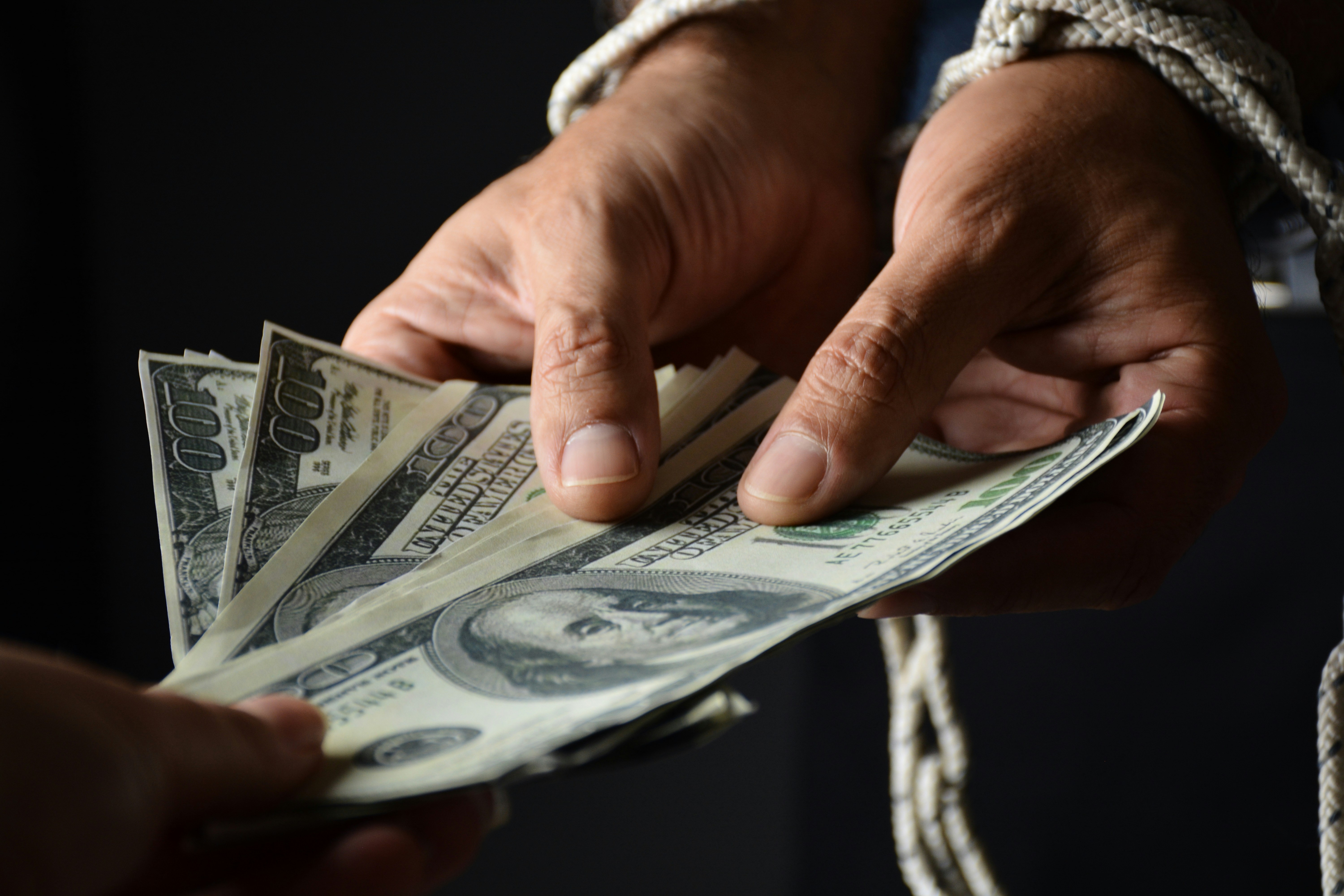
First: stop. Take a breath. You are not the first person this has happened to, and you will not be the last. The shame you feel right now — that is what scammers count on to keep you silent. Do not give them that.
The First Thing to Do: Stop All Contact
If you have just realised you have been scammed, your instinct might be to confront the scammer, demand your money back, or keep the conversation going hoping for a resolution. Do not.
Cut contact completely. Block them on every platform they used to reach you. Do not reply to any further messages — including promises that your money is coming, threats, or new offers that sound like a way to "recover" what you lost.
That last part is important. A common follow-up tactic is for the same scammer — or a connected one — to reappear offering to help you get your money back, for a fee. This is a secondary scam targeting people who are already in a vulnerable state. No legitimate service charges upfront fees to recover fraud losses.
Within the First 24 Hours: Contact Your Bank
If you paid by bank transfer or debit/credit card, call your bank immediately and report the transaction as fraud. Ask specifically about a chargeback or a payment recall.
Time matters enormously here. Banks have much greater ability to act within the first 24–48 hours of a fraudulent transaction. The longer you wait, the less likely a recovery becomes.
Be direct with your bank: tell them you were the victim of a fraud. Give them the exact amount, the date, and any reference numbers you have. Ask for a case reference number from the bank — you will need it later.
If you paid in cryptocurrency, the situation is more difficult. Crypto transactions are irreversible by design. Your bank cannot help in that case. Focus on the reporting steps below to prevent others from being targeted by the same person.
Report to the Police
File a report with your local police. Many people skip this step because they feel the amount is too small, or because they feel embarrassed. Do not skip it.
A police report serves two purposes. First, it gives you a reference number that strengthens your case with the bank and with fraud authorities. Second, it contributes to a larger picture — police forces aggregate fraud data, and individual reports do lead to investigations when patterns emerge.
You do not need to prove the fraud when filing the report. You simply need to describe what happened. Keep it factual: who contacted you, what they promised, what you paid, how you paid, and what happened after.
Report to a National Fraud Authority
Depending on where you are based, there is likely a national body that tracks and investigates online fraud. These reports feed into databases used by law enforcement across borders. Reporting takes 10–15 minutes and genuinely matters.
- United Kingdom: Action Fraud — actionfraud.police.uk
- United States: FBI IC3 — ic3.gov
- European Union: Europol — europol.europa.eu/report-a-crime
- Australia: ScamWatch — scamwatch.gov.au
- Canada: Canadian Anti-Fraud Centre — antifraudcentre-centreantifraude.ca
If your country is not listed, search for "[your country] report online fraud" — most countries have a dedicated reporting mechanism.
Report the Account on the Platform
Go back to wherever the scammer contacted you — Telegram, Instagram, Facebook, WhatsApp, X — and report the account using the platform's built-in reporting tools. Select "Fraud" or "Scam" as the reason.
Platforms act on volume. A single report may be ignored. But when multiple people report the same account, it gets reviewed and removed faster. Your report adds to the pile.
If the account has already disappeared — which it often does — report the group, channel, or page that was used instead.
Report to Us
Submit what happened on our report page. Include as much detail as you can: the username, the platform, the amount lost, the payment method they requested, and any screenshots if you have them.
We verify every report we receive and add confirmed scammers to our public database. That record has stopped thousands of people from paying the same fraudster. Your experience, as painful as it is, could be the warning that saves the next person.
What Not to Do
A few things that seem logical but will almost certainly make things worse:
- Do not pay a "recovery service." Anyone who approaches you offering to recover your cryptocurrency or bank transfer for a fee is running a secondary scam. Legitimate fraud recovery does not work this way.
- Do not try to scam the scammer back. People attempt this. It wastes time, it rarely works, and in some jurisdictions it can create legal complications for you.
- Do not stay silent out of shame. There is nothing to be ashamed of. These fraudsters are professional manipulators. The people we have spoken to include engineers, teachers, lawyers, and business owners. Intelligence does not protect you from a well-executed psychological manipulation.
One Last Thing
We know that for most victims, money recovery is unlikely. That is the honest truth, and we will not pretend otherwise. But reporting still matters — because every scammer exposed is one who finds it harder to operate. Every warning shared is one fewer person paying. That is why we are here, and that is why your voice counts.
If you want to talk through what happened, you can reach us through our contact page. We read everything.
Ready to report what happened?
Submit your report and help us warn others. We verify every report and add confirmed scammers to our public database.